
Helping Women Overcome Postpartum Depression: The Importance of Professional Psychological Support | Safe and Sound
Having a child is a sacred and beautiful experience, a time of joy and wonder. However, for many women, the postpartum period can bring feelings of sadness, anxiety, and despair, especially potentially leading to postpartum depression (PPD). In this article, let's explore the signs of postpartum depression, its symptoms, and why seeking professional mental health support is crucial in the recovery journey, with the help of psychologists and mental health experts .
Ngo Thi Sang | Master of Education – Institute of Psychology and Mental Health (SnS)
Center for Community Health and Development Research
1. Symptoms of postpartum depression
According to psychologists and psychiatrists, postpartum depression is a mood disorder affecting women after giving birth. It's not a sign of weakness or incomplete motherhood; rather, it's a complex interplay of hormonal, emotional, and situational factors. While "baby blues" are a common phenomenon, postpartum depression is different and more serious.
Some common signs of depression in PPD include:
- Intense sadness and despair: Psychologists and psychiatrists say that the profound sadness experienced by women with postpartum depression seems to be accompanied by a feeling of hopelessness about the future.
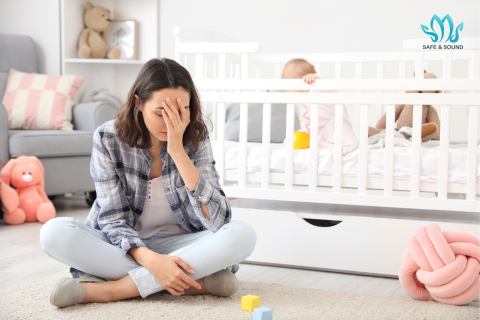
Intense sadness and despair
- Irritability and anger: Frequent mood swings, irritability, and even anger, which may be directed at the baby or loved ones.
- Fatigue and sleep disturbances: One of the hallmarks of postpartum depression is persistent exhaustion, even when you have the opportunity to sleep, and significant changes in sleep patterns.
- Changes in appetite: Loss of appetite or overeating, leading to weight gain or loss.
- Difficulty bonding with the baby: Psychologists and mental health professionals warn that women with postpartum depression struggle to form an emotional bond with their newborns, feeling isolated or neglected.

Difficulty connecting with the baby
- Isolation from loved ones: This involves isolating oneself from friends and family, avoiding social interactions and support.
- Loss of interest: Loss of interest in previously held activities or hobbies.
- Intrusive thoughts: Experiencing unwanted, repetitive, or distressing thoughts, fearing misfortune will befall the baby or oneself.
It's important to note that not everyone experiences all of these stages, and the severity of depression can vary. To arrive at an accurate diagnosis and develop an appropriate treatment plan, seeking advice from psychiatrists and mental health professionals is crucial.
Women experiencing postpartum depression require specialized support from mental health professionals to manage and alleviate symptoms. The care process typically begins with a thorough assessment to determine the severity of the depression. Based on this assessment, Safe and Sound's mental health professionals will develop a personalized treatment plan tailored to each individual's specific needs and circumstances. So, how can Safe and Sound help you overcome this problem?

2. Why is seeking professional psychological support important for postpartum women?
Here are some reasons why seeking professional help from a psychologist or psychiatrist is important for women with postpartum depression:
- Receive an accurate diagnosis:

Receiving an accurate diagnosis
Licensed psychologists and psychiatrists can accurately diagnose postpartum depression. This is crucial because PPD symptoms can overlap with symptoms of other mood disorders or medical conditions. An accurate diagnosis will pave the way for appropriate treatment.
- Appropriate support plan:
Postpartum depression is not a common condition that occurs in all women after childbirth. Psychiatrists and mental health professionals can create personalized treatment plans that may include therapy, medication, or a combination of both. They can tailor these plans to address your specific needs and problems.
- A safe and supportive environment:
Seeking professional help provides a safe and supportive space for open discussion about feelings and experiences. This non-judgmental atmosphere encourages women to express their emotions and fears without fear of criticism.
- Scientific intervention and treatment:
Therapies, such as cognitive behavioral therapy (CBT), can be effective in managing postpartum depression. Psychologists and mental health professionals can help women develop coping strategies, recognize deviant thought patterns, and move toward a healthier mental state.
Psychological therapies, particularly Cognitive Behavioral Therapy (CBT), have proven effective in treating postpartum depression. This method focuses on changing negative thoughts and behaviors. Through guidance from a psychologist or psychiatrist, you will learn how to recognize and transform negative thoughts into more positive ones, improving your mood and fostering a more positive attitude in your daily life.
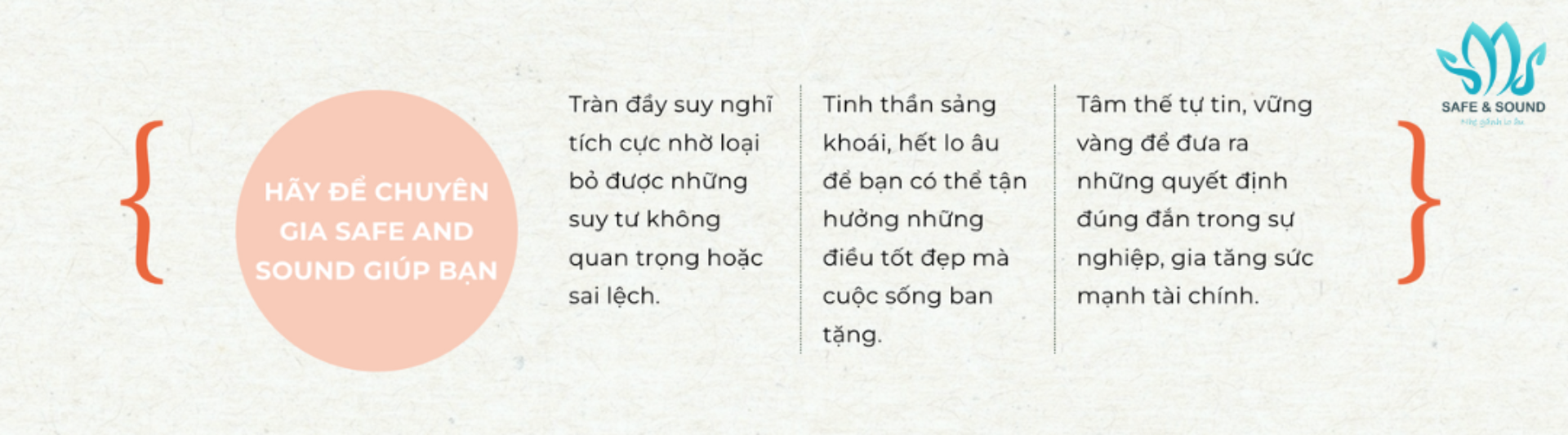
To help our customers, Safe and Sound experts are always there to support you assisting you in:
- A brain filled with positive thoughts is created by eliminating unimportant or misleading thoughts.
- A refreshed and worry-free mind allows you to enjoy the good things life has to offer.
- A confident and steady mindset enables faster and more accurate decision-making at work, thereby increasing financial strength, career success, and self-esteem.
- Preventing recurrence:
Seeking professional help reduces the risk of recurrence. Addressing postpartum depression with the guidance of a mental health professional or psychologist can help you recover and prevent postpartum depression.
3. How will the Safe and Sound psychologist help you?
We understand that psychotherapy can sometimes be a difficult step, and trying to find a new psychologist or psychiatrist who is a good fit for your individual needs and personality can be a challenging task.
We believe that the combination of a psychologist and a psychiatrist will provide the best support for you. Safe and Sound's team of experts meets rigorous standards, helping you address a wide range of mental health issues, including postpartum depression, anxiety, schizophrenia, sleep problems, mood disorders, relationship issues, mental trauma, and more.
- Extensive professional experience dealing with a wide range of psychological issues.
- Skills in assessing, consulting, and developing effective support plans.
- Flexibly combine techniques and methods to effectively support and maintain sustainable results.
.png)

In addition, Safe and Sound will:
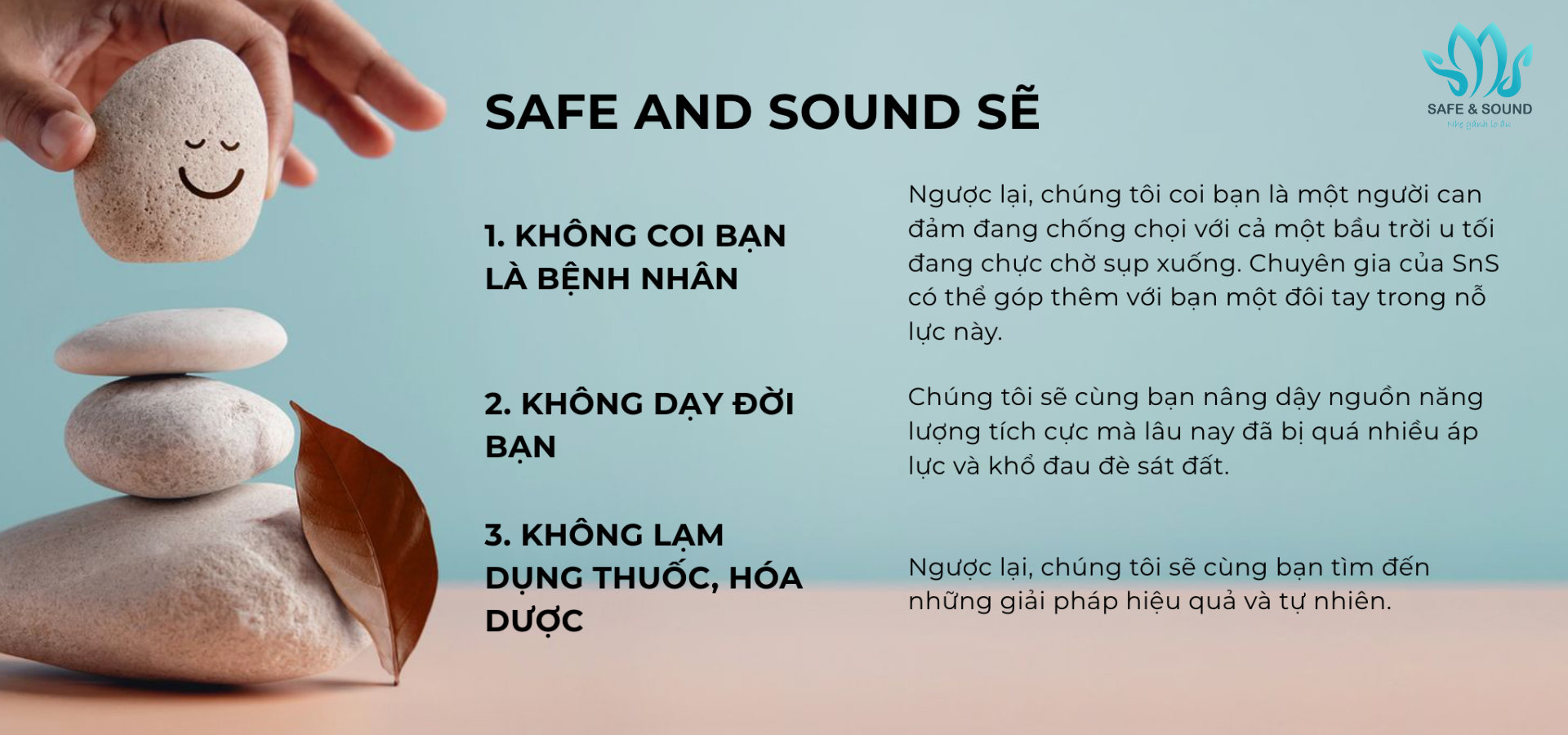
- We don't see you as a patient: Instead, we see you as a courageous individual battling against a dark sky threatening to collapse. SnS experts can lend you a helping hand in this endeavor.
- We won't lecture you: We will work with you to rekindle the positive energy that has long been suppressed by so much pressure and suffering.
- Avoid the overuse of medications and chemicals: Instead, we will work with you to find effective and natural solutions.

See more:
